











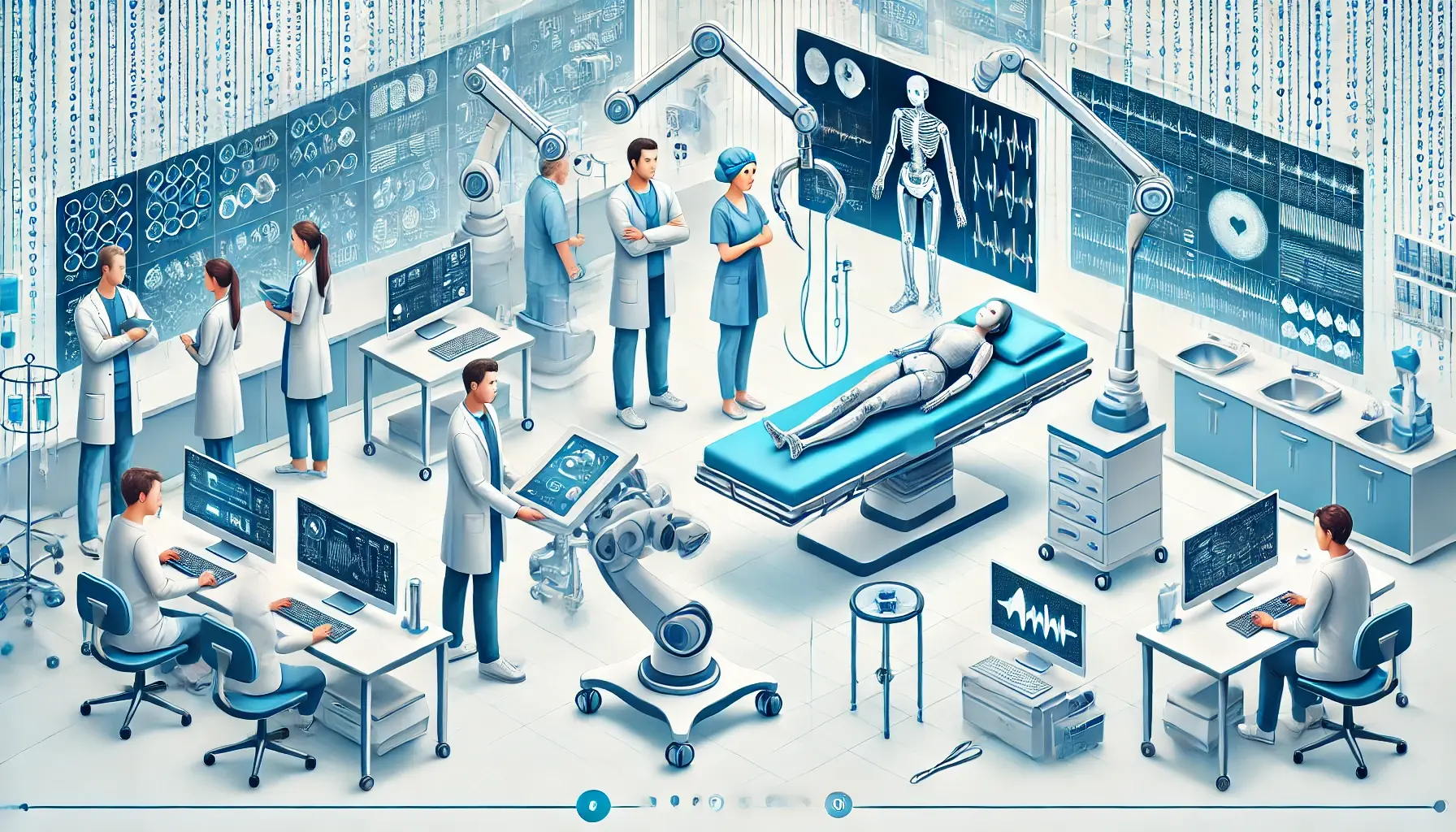
Artificial intelligence (AI) has had a profound impact on healthcare, revolutionizing how we diagnose diseases, manage patient care, and even conduct medical research. From its early applications to its current widespread adoption, AI continues to drive innovations that benefit both healthcare providers and patients worldwide. Here’s a look at the evolution of AI in healthcare, its intersection with other scientific fields, and real-world examples of success.
The Evolution of AI in Healthcare
When AI first entered the healthcare field, it was mostly limited to rule-based expert systems in the 1970s and 1980s. These systems, like MYCIN, were early forms of decision support tools aimed at assisting physicians by suggesting potential diagnoses based on a set of input symptoms. However, their effectiveness was limited due to the complexity of medical decision-making and the challenges of translating human knowledge into machine-readable data.
The landscape began to shift dramatically in the early 2000s with the rise of machine learning (ML)—a subset of AI that enables systems to learn from vast amounts of data. This data-driven approach allowed AI to move beyond fixed rules and instead recognize patterns in complex datasets, opening up new possibilities for diagnostic tools, predictive analytics, and personalized medicine.
By the 2010s, deep learning—a form of AI that mimics the brain’s neural networks—emerged, enabling significant advances in fields like medical imaging and genomics. AI tools could now process medical images with remarkable accuracy, identifying abnormalities in radiology, dermatology, and pathology that might otherwise be missed by the human eye.
AI’s Intersection with Other Scientific Fields
AI’s role in healthcare wouldn’t be possible without its interplay with other fields, most notably:
- Data Science: The convergence of big data and AI allows healthcare providers to analyze enormous datasets, such as electronic health records (EHRs), to predict disease trends and patient outcomes. AI tools can identify subtle correlations in data that are difficult for humans to detect, improving clinical decision-making and optimizing hospital operations.
- Genomics: In collaboration with genomics, AI enables the development of precision medicine, which tailors treatments to individual patients based on their genetic profiles. By analyzing genetic data alongside clinical information, AI can suggest personalized treatment plans, especially in fields like oncology.
- Neuroscience: AI is integral to advances in brain-computer interfaces (BCIs) and neuroprosthetics. These technologies are helping patients with neurological conditions regain mobility and independence. For example, AI systems are being used to interpret brain signals and translate them into movements for prosthetic limbs.
Real-World Success Stories
AI has already demonstrated remarkable successes in improving population health and streamlining clinical care. Below are some key examples of how AI is benefiting the world’s health.
1. Radiology: AI Detecting Diseases Faster
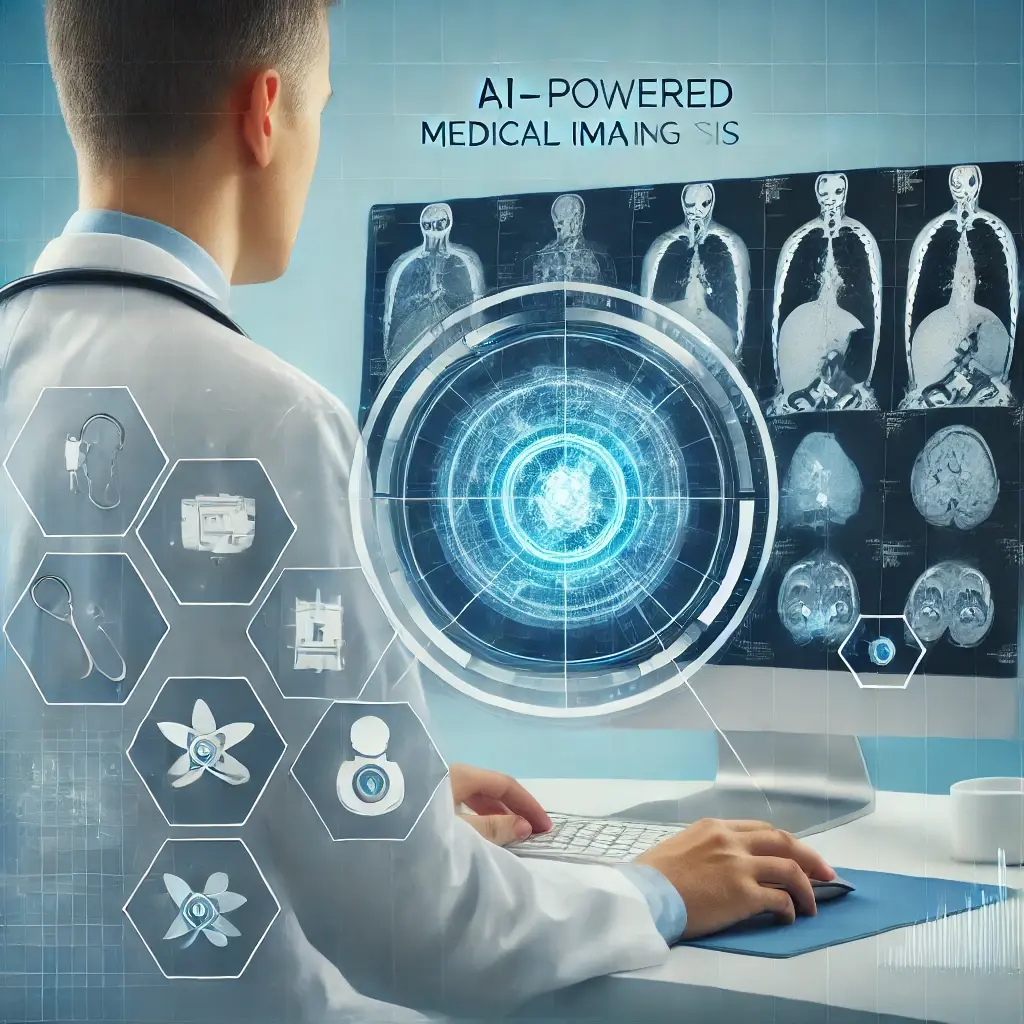
One of the most significant areas where AI has excelled is in medical imaging. AI systems can now analyze X-rays, MRIs, and CT scans with accuracy that rivals, and sometimes exceeds, human radiologists. AI algorithms like those developed by Google Health have shown the ability to detect lung cancer and breast cancer from imaging scans earlier than human experts, improving early diagnosis and treatment outcomes.
In 2019, Google’s AI was reported to detect lung cancer from CT scans with 94.4% accuracy, outpacing radiologists in detecting small nodules that can be easily missed. Early detection of cancer significantly increases the chances of successful treatment, making this a vital breakthrough.
2. AI in Surgery: Robotic Precision

AI-powered surgical robots, like those developed by Intuitive Surgical’s da Vinci system, are transforming how complex procedures are performed. These robots, equipped with AI, allow surgeons to operate with greater precision, less invasiveness, and reduced recovery times for patients.
AI-assisted robotic surgery has become particularly effective in fields like urology, gynecology, and cardiothoracic surgery, where precision is critical. These systems use AI to process real-time data during surgeries, enabling the robot to adapt and assist surgeons more effectively.
3. AI in Drug Discovery
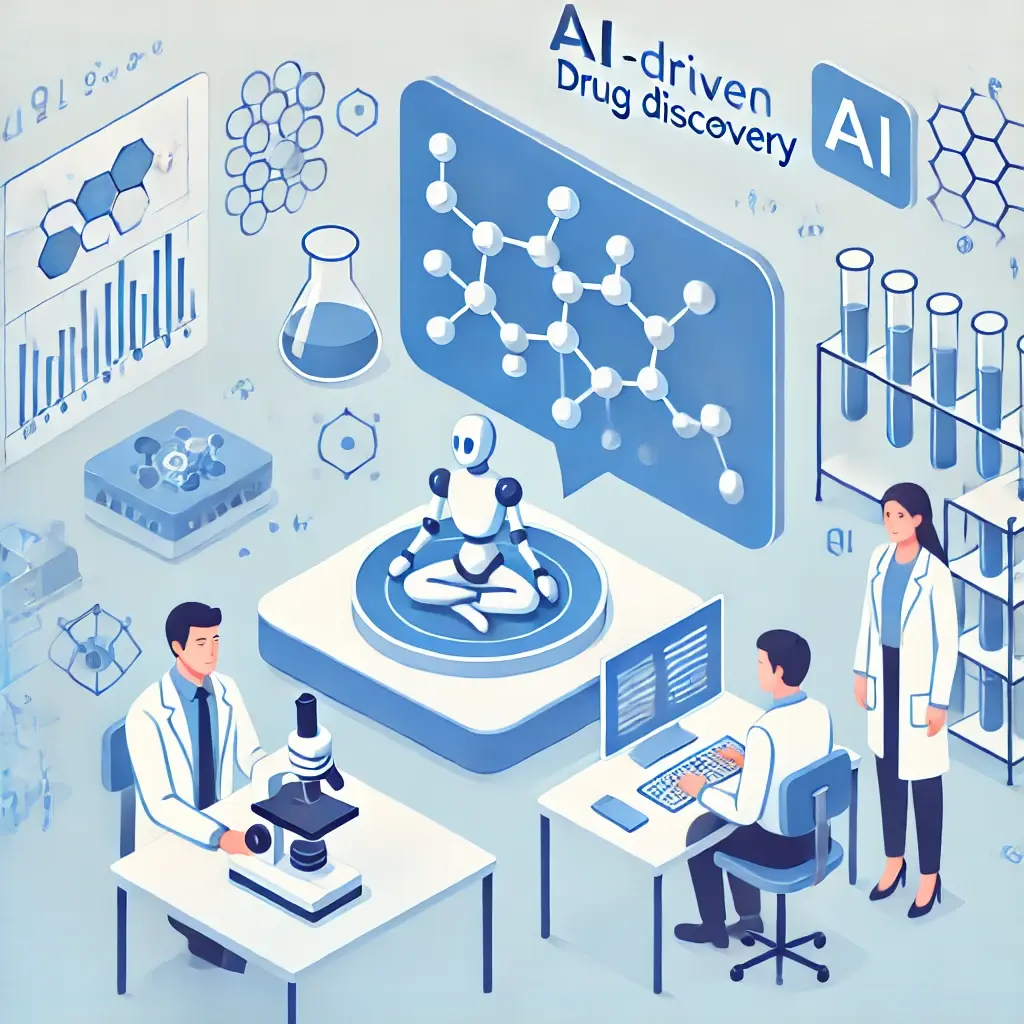
One of AI’s most impactful uses in healthcare has been in drug discovery. Developing a new drug traditionally takes over a decade and costs billions of dollars. AI is shortening this timeline by identifying potential drug compounds, predicting how they will interact with the human body, and suggesting new uses for existing drugs.
For example, Insilico Medicine, an AI-driven biotech company, has used AI to identify new drug targets for diseases like cancer and fibrosis, reducing the time required for drug development. AI also played a crucial role in accelerating COVID-19 research. AI tools helped scientists understand the virus, develop treatments, and assist in creating the vaccines we have today.
4. Precision Medicine: Tailoring Treatments with AI
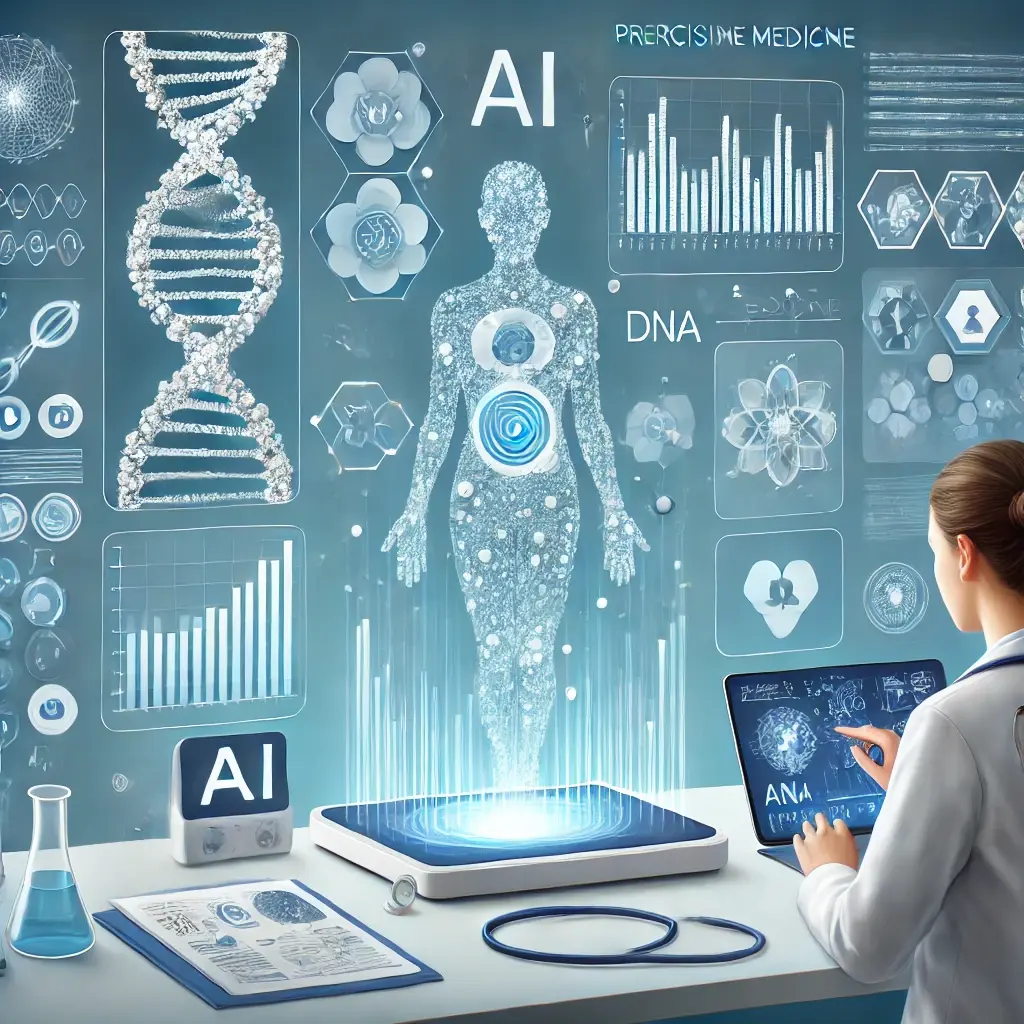
AI-driven precision medicine is revolutionizing patient care, particularly in oncology. Companies like Tempus use AI to analyze genomic data alongside patient medical records to suggest personalized treatment plans. This is especially powerful in cancer treatment, where genetic mutations play a critical role in determining which therapies will be most effective for a specific patient.
At Cleveland Clinic, AI algorithms have been used to identify which cancer patients are likely to respond to immunotherapy, a treatment that boosts the body’s immune response to cancer. This approach has led to improved treatment outcomes and reduced side effects for patients.
Leading Companies and Their Contributions to Population Health
Many leading technology and healthcare companies are at the forefront of integrating AI into healthcare, benefitting population health in numerous ways:
- IBM Watson Health: One of the early adopters of AI in healthcare, Watson Health is known for its AI-powered platform that helps physicians analyze large amounts of unstructured data. Watson has been used in oncology, helping doctors choose personalized treatment options based on clinical evidence.
- DeepMind (Google Health): DeepMind has pioneered the use of AI in healthcare, particularly in medical imaging. Their AI systems can diagnose eye diseases, cancers, and even predict kidney failure earlier than traditional methods, providing valuable time for preventive treatments.
- Butterfly Network: Known for its AI-powered portable ultrasound device, Butterfly Network is democratizing access to medical imaging, particularly in low-resource areas. Their handheld device, the Butterfly iQ, integrates AI to provide instant diagnostics, making it accessible to remote communities worldwide.
The Future of AI in Healthcare
The impact of AI on healthcare is only growing. As AI tools become more advanced, they will likely expand into areas like preventive medicine, where they can predict individual health risks based on lifestyle data and suggest personalized interventions. AI is also expected to play a significant role in mental health care, with chatbots like Woebot offering support for individuals dealing with depression and anxiety.
In addition, the future of AI in healthcare is moving towards greater integration with wearable devices. Apple Health and Fitbit are already using AI to monitor users’ health metrics, including heart rate, sleep patterns, and activity levels. These devices could soon become proactive health management tools, alerting users to potential health risks before they escalate into serious conditions.
Conclusion
The real impact of AI on healthcare is already profound and will continue to grow in scope and significance. From detecting diseases faster and more accurately to assisting in surgical procedures and discovering new drugs, AI is saving lives and improving population health globally. With major tech and healthcare companies leading the charge, the future of healthcare will be deeply intertwined with AI, offering smarter, faster, and more personalized care for everyone.
The evolution of AI in healthcare is a testament to the transformative power of technology when applied thoughtfully, and its role in shaping the future of medicine is undeniable.
Explore more AI Health and Wellness Tools: Transform Your Healthcare Approach!