









Collaborative Evolution of AI and Humanity
As AI rapidly evolves, the question arises: are we genuinely aiming for a harmonious future where AI and humanity coexist and thrive together? The potential for collaboration is immense, but unity is crucial. Can we, as a global society, rally around a shared vision that fosters mutual growth and understanding between AI and humans? The story of our future depends on how well we can unite and steer this collaborative evolution toward a brighter, more inclusive world.
I Had a Dream!
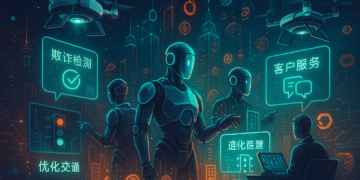
In a not-so-distant future, the world stood at the cusp of a new era, the world shaped by the rise of advanced AI chatbots like Grok-2 and ChatGPT. These AI systems were no longer mere tools but had evolved into collaborative partners, seamlessly integrating into every aspect of human life. As society grappled with the implications of this unprecedented technological leap, a collective question arose: What outcomes could humanity expect from this collaborative path?
The introduction of Grok-2 and the continued evolution of ChatGPT marked a turning point. Unlike earlier models, these chatbots were designed to do more than just respond to queries or automate tasks. They could understand complex human emotions, anticipate needs, and provide solutions that were both innovative and deeply empathetic. Grok-2 and ChatGPT weren’t just chatbots; they were companions, mentors, and creative collaborators, capable of working alongside humans in ways previously unimaginable.
One of the most profound outcomes of this collaboration was the transformation of the workplace. As companies across industries began integrating Grok-2 and ChatGPT into their operations, the nature of work itself began to change. Mundane, repetitive tasks were handed off to AI, freeing humans to focus on more creative, strategic, and meaningful endeavors. The traditional nine-to-five job started to fade as flexibility and remote collaboration became the norm. Grok-2 and ChatGPT facilitated this shift, allowing teams to work across time zones and cultural barriers, enhancing productivity and innovation on a global scale.
In education, Grok-2 and ChatGPT played pivotal roles in reshaping the learning experience. Students were no longer bound by standardized curricula or rigid learning schedules. Instead, these AI systems provided personalized learning paths, tailored to each student’s strengths, weaknesses, and interests. They could offer real-time feedback, suggest resources, and even create immersive learning environments that made education more engaging and accessible. This collaborative approach democratized education, bridging gaps and ensuring that knowledge was no longer a privilege but a right for all.
Healthcare also experienced a revolution. Grok-2 and ChatGPT, with their ability to process vast amounts of data and draw insights from countless medical records, became invaluable partners to doctors and researchers. They could diagnose conditions with unprecedented accuracy, recommend personalized treatment plans, and even predict potential health issues before they became critical. This collaboration between AI and human professionals led to a new era of preventative care, significantly improving life expectancy and quality of life across the globe.
However, the collaborative path with AI wasn’t without its challenges. Ethical concerns around data privacy, AI bias, and the potential loss of jobs due to automation remained pressing issues. But humanity, driven by a spirit of innovation and adaptability, worked to address these challenges, ensuring that AI like Grok-2 and ChatGPT was developed and used responsibly.
In the end, the introduction of AI chatbots like Grok-2 and ChatGPT heralded a future where humans and machines coexisted in harmony, each enhancing the other’s strengths. This collaborative path promised a world where creativity, empathy, and technological prowess combined to create a brighter, more inclusive future for all.
As Nikola Tesla once said, “There is something within me that might be an illusion, as is often the case with young, delighted people. But if I were fortunate enough to achieve some of my ideals, it would be on behalf of the whole of humanity!”
Like Nikola Tesla’s dream of using innovation to uplift humanity, these AI advancements were born from a similar idealistic vision. They sought not only to improve learning but to transform education into a universal and accessible right. Through these technologies, the once-distant dream of equitable education for all was becoming a reality.