










As we navigate an era defined by rapid advancements in AI, ChatGPT has emerged as one of the most impactful AI models, fundamentally altering how industries and everyday life operate. Developed by OpenAI, ChatGPT is a language model that leverages deep learning to generate human-like text responses based on user inputs. Its influence extends across various sectors, including customer service, education, creative writing and mental health support. As AI technology continues to evolve, ChatGPT’s capabilities are expanding, solidifying its role as a critical tool for both innovation and collective progress.
Understanding ChatGPT
ChatGPT is rooted in the Generative Pre-trained Transformer (GPT) architecture, a type of neural network trained on vast datasets to understand and generate human language. Unlike earlier AI systems that relied on preprogrammed responses, ChatGPT uses machine learning to predict the next word in a sentence, allowing it to produce coherent and contextually relevant replies. This ability to grasp context and generate nuanced text has made ChatGPT an invaluable asset in a wide range of applications.
Enhancing Customer Service and Support
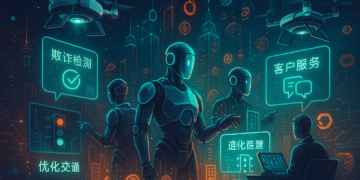
One of ChatGPT’s most significant contributions to the AI landscape is its ability to enhance customer service and support. Businesses across various industries are adopting ChatGPT to automate responses to common questions, assist with troubleshooting, and manage order processing. This automation not only reduces the workload for human customer service representatives but also ensures that customers receive prompt and accurate assistance around the clock.
For example, e-commerce platforms use ChatGPT to help customers find products, track order statuses, and handle returns without the need for human intervention. Similarly, technology companies employ ChatGPT to provide real-time support for software and hardware issues, improving the overall customer experience.
Revolutionizing Education
ChatGPT is also playing a transformative role in education. As an AI tutor, it provides personalized learning experiences by answering questions, offering explanations, and creating practice exercises tailored to individual student needs. This adaptability makes ChatGPT an excellent resource for reinforcing learning, particularly in subjects like mathematics, science, and language arts.
Moreover, educators are using ChatGPT to assist with grading, develop lesson plans, and generate educational content. Its ability to provide instant feedback on assignments and help with language translation is especially valuable in multilingual classrooms. By automating routine tasks, ChatGPT allows teachers to focus more on personalized instruction and student mentorship, thereby enriching the educational experience.
Supporting Creative Industries
Beyond practical applications, ChatGPT is becoming a creative partner in fields such as writing, music, and game development. Writers use ChatGPT to brainstorm ideas, generate plot lines, or even co-author stories. Musicians can leverage the AI to suggest lyrics or create chord progressions, while game developers utilize it to craft dialogue, plot twists, and character backstories.
ChatGPT’s ability to mimic different writing styles and generate creative content on demand is revolutionizing how artists and creators approach their work. It acts as an inspirational collaborator, expanding the possibilities in creative fields.
Promoting Mental Health and Accessibility
In the realm of mental health, ChatGPT is making significant strides. While it doesn’t replace professional therapy, it can engage users in conversations that encourage emotional expression and self-reflection. ChatGPT can offer coping strategies, suggest relaxation techniques, or simply provide a listening ear, making mental health resources more accessible.
Additionally, ChatGPT enhances accessibility for individuals with disabilities. It helps those with visual impairments by reading and interpreting text, and assists people with speech or language disorders by generating clear and understandable text. This capability makes digital spaces more inclusive, ensuring that information is accessible to all users.
Ethical Considerations and Future Outlook
Despite its many benefits, ChatGPT also raises ethical concerns, such as the potential for misuse, including spreading misinformation or generating biased content. Ensuring responsible use of ChatGPT requires strong safeguards like content moderation and transparency in AI-generated communications.
Looking ahead, ChatGPT’s role in the AI landscape is expected to grow as its capabilities advance. Future iterations may offer even more sophisticated language comprehension and contextual awareness, further enhancing its utility across various domains. As ChatGPT continues to evolve, it will play a crucial role in shaping the future of work, education, healthcare, and beyond, while ongoing collaboration between developers, policymakers, and users will be essential to ensure it serves as a positive force for society.